
Clinically reviewed by Dr. Chris Mosunic, PhD, RD, MBA
Psst: there's no “best” place to meditate. Some spots just make it feel more natural. Here's how to find the right location for your next meditation session, indoors or out.
You have a free morning and want to meditate, but you’re not sure where. The living room isn’t private or quiet enough. The lighting in your home office is harsh. In your bedroom, the only place to sit is your bed, and you’re worried you might fall asleep. So instead of practicing mindfulness, you end up weighing the risks of distraction or discomfort.
The good news is, you don't need a Pinterest-worthy space, just a spot that works for you. People practice on train platforms, in parked cars, and on office floors during their lunch break, and they still get the benefits.
Whether you're just getting started or you’ve been meditating for years, this guide will help you find and level up that spot.

What makes a good meditation space?
A good meditation space is one where you feel safe, comfortable, and undisturbed. These four qualities tend to make the biggest difference:
Comfort: A supportive cushion, a chair with a good backrest, or even a spot against the wall reduces strain on your body.
Quiet: Minimal noise, foot traffic, or notifications helps you avoid competition for your attention.
Calming sensory cues: Soft lamplight, a candle, a diffuser, or a warm blanket can signal it’s time to slow down.
Familiarity: The same corner or cushion becomes a cue over time, so your brain starts to wind down as soon as you arrive.
💙 Just starting out? Here’s a detailed guide on how to meditate for beginners.
Where is the best place to meditate?
The best place to meditate depends on what you want from your session, and many people rotate between a few spots. Indoors is more predictable, since weather and temperature are rarely a factor. Outdoors, on the other hand, can feel more grounding and restorative.
Indoor meditation spots
When you meditate indoors, you have more control over the temperature, lighting, and setup of the space, which can help you build a consistent habit.
Your bedroom corner. It's private and may already feel like a place to recharge, so it works well when you want to slow down.
Your living room. This spot works best when it’s empty, like early morning before anyone's up or once the house has gone quiet for the night.
Your unused nook or closet. With just a cushion and a curtain, almost any small, overlooked area can become your own little sanctuary.
Your bed. Meditating here is a gentle way to start your day or transition into sleep, though the same comfort that makes it appealing can also make you doze off before you're done.
💙 For ways to turn any of these spots into a dedicated space, see Calm's meditation room ideas.
💙 For more on the bed option specifically, check out bedtime meditation techniques.
Outdoor meditation spots
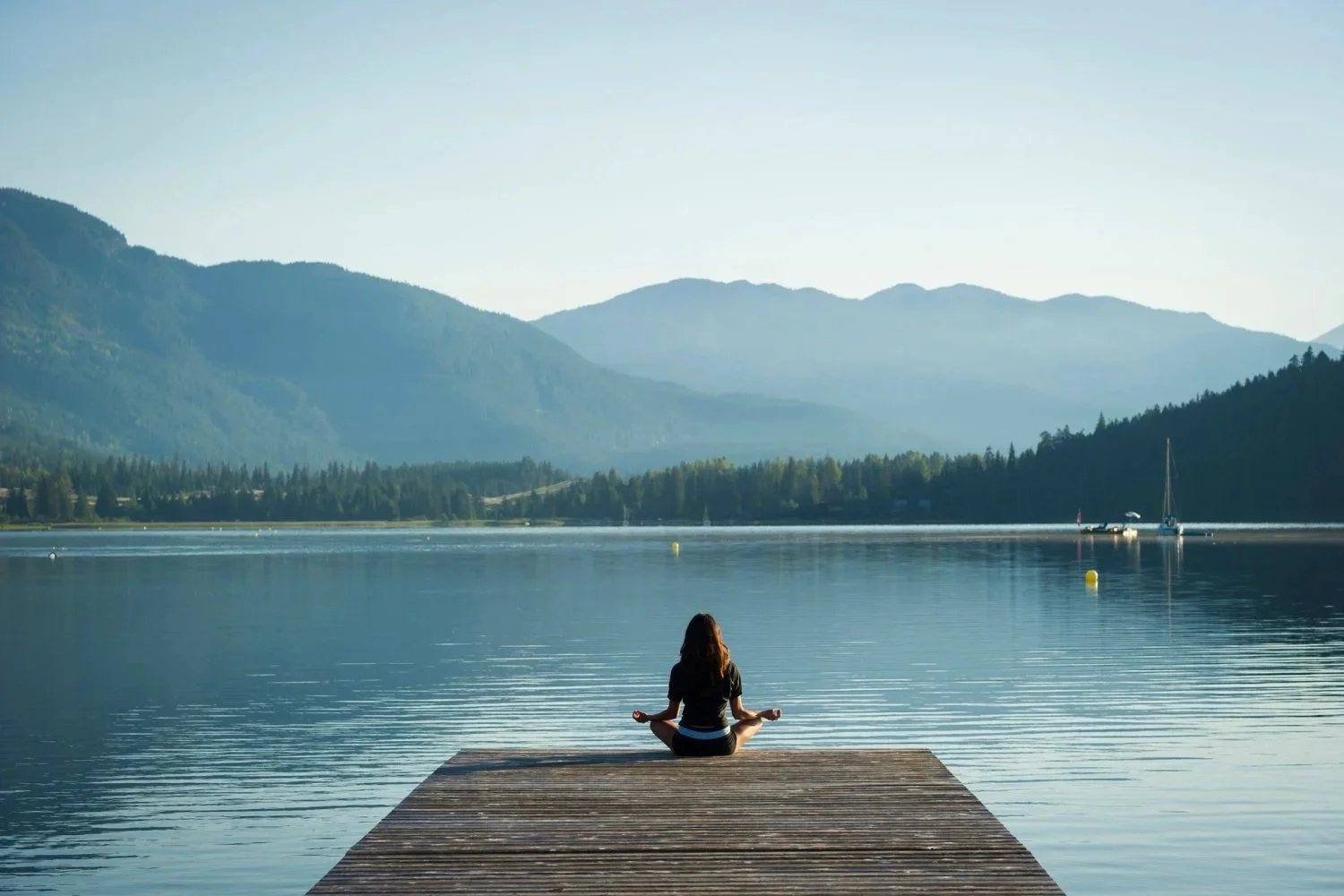
The outdoors offers something special: fresh air, the open sky, and nature sounds that help calm your nervous system. Time in green space is linked to lower cortisol and reduced stress. One explanation is the attention restoration theory — the idea that natural settings give your focus a chance to recover.
A backyard or garden. If you have one, some greenery and a comfortable seat can turn it into a peaceful retreat.
A beach or park. Either works especially well near water, where the sound of waves or a stream can ease your mind.
A balcony or patch of grass. Even a small outdoor space gives you a change of scenery, which can help you relax.
💙 For more on practicing outside, see Calm’s guides on outdoor meditation and building a meditation garden.
If sitting feels hard, try walking meditation. Focus on the rhythm of your steps to give your mind something to settle on.
💙 Here’s how to start walking mindfully.
How to optimize your meditation space: 5 tips
A few small, deliberate changes can turn your meditation space into one that genuinely supports your practice.
1. Set up a regular spot
Store your cushion, blanket, and anything else you use to meditate in your dedicated place. When you return to the same spot consistently, ideally around the same time, settling in can start to feel automatic.
2. Create a little privacy
Face away from clutter, toward a blank wall or window. In a shared space, a folding screen or blanket draped over a chair can mark off your corner. Even with your eyes closed, feeling tucked away can help you settle.
3. Choose the right sound
Try playing steady background noise—like soothing nature sounds or music—to cover unpredictable and intrusive sounds like traffic or a neighbor's TV. If you prefer some structure in your practice, you could follow a guided meditation.
To slow down, experiment with tracks around 60–80 beats per minute, which researchers have linked to a slower heart rate. For daytime focus, many people find that ambient or instrumental sound works best.
💙 Calm's guides on meditation music can help you find what fits your needs.
4. Minimize distractions
Put your phone on Do Not Disturb, and tell the people you live with that you'll be unavailable for the length of your session. You could also pick a time when they’re less likely to need you.
💙 Try the Single-Tasking session with Jay Shetty on Calm.
5. Use props for good posture
If you need to take the strain off your lower back, sit on a cushion or folded blanket to raise your hips slightly above your knees. You can also meditate near a wall, or place a chair nearby to support your spine if sitting upright gets tiring.
A meditation cushion can help you hold your position more comfortably. Try keeping the room on the cool side too, since an overly warm setup can nudge you toward sleep.
💙 Explore the Posture session from the 7 Days of Calm series.
💙 Learn about the different meditation postures to find the right fit for you.
Where is the best place to meditate? FAQs
Does where I meditate really matter?
Where you meditate shapes how the practice feels once you're there, but consistency is what matters most. A pleasant space can motivate you to start, though it's not required.
What if I don't have a quiet place to meditate?
You can still meditate in a noisy home or busy neighborhood, and plenty of people do. Headphones with a guided session or ambient sound can add a bit of calm almost anywhere, even a parked car or a bathroom.
You can even let the noise become part of the practice by resting your attention on the sounds themselves, instead of trying to push them away. Over time, that flexibility often makes your practice stronger.
How do I set up a meditation corner in a small space?
You don’t need much to set up a meditation corner. A cushion, a clear patch of floor, and some calming objects are enough. Pick an empty corner and mark it off with a plant, a small rug, or a curtain.
Can I meditate in bed?
Meditating in bed is fine, and it's a gentle way to wind down at night or start your morning. If you’re worried about dozing off, sit up against the headboard instead of lying down, or try it earlier in the day when you’re more alert.
Is it better to meditate indoors or outdoors?
The better choice depends on what you need that day. Indoors gives you privacy and control, which suits a daily habit, while outdoors adds fresh air and a grounding connection to nature. Plenty of people mix the two.
How do I reduce distractions when meditating?
To reduce distractions when you meditate, start with what you can control: silence your phone and pick a time when interruptions are less likely.
For noises that still come up, treat your breath as your anchor and return to it whenever your mind wanders.
💙 Calm's guides on what to focus on during meditation and how to improve focus go deeper on taming a wandering mind.
What should a meditation space look like?
Your meditation space doesn't need to look a certain way. It just needs to work for you. Soft light, minimal clutter, and something comfortable to sit on are usually enough.
Can music or sounds help me meditate?
Music and calming sounds can ease you into your meditation. Soft instrumental tracks, nature sounds, or steady background noise all help mask distracting noises and signal to your body that it’s time to relax.
As your practice develops, you might find you prefer silence, so it's worth experimenting to see what suits you.
💙 Learn how to meditate with music.
Calm your mind. Change your life.
Mental health is hard. Getting support doesn't have to be. The Calm app puts the tools to feel better in your back pocket, with personalized content to manage stress and anxiety, get better sleep, and feel more present in your life.