
Clinically reviewed by Dr. Chris Mosunic, PhD, RD, CDCES, MBA
Learn the definition of yoga and 10 different types of yoga practices you can do. Plus, the benefits of the poses and breathing in each style of yoga.
Maybe you showed up to your first yoga class expecting a good stretch, but ended up in a full-body sweat. Or you really wanted a workout, only to find yourself barely moving, holding a pose for minutes at a time. The truth is, yoga can look and feel wildly different depending on the class, the teacher, and the style. And that’s part of what makes it so versatile.
There are many different types of yoga, each with its own rhythm, intensity, and focus. Some types of yoga are fast-paced and energizing, while others are slow and deeply restorative. You’ll find yoga types that emphasize strength and balance, as well as ones that are more about flexibility, mindfulness, or stillness. Each approach was shaped by centuries of tradition and practice, yet they all share the same goal — to connect body, mind, and awareness.
Whether you’re new to the practice or looking to try something outside your usual flow, understanding what sets each style apart can help you choose the kind of yoga that best supports your mood, your goals, and your life. We’ll break down the most well-known kinds of yoga, what sets them apart, and how to choose the one that best fits your needs.

What’s the definition of yoga?
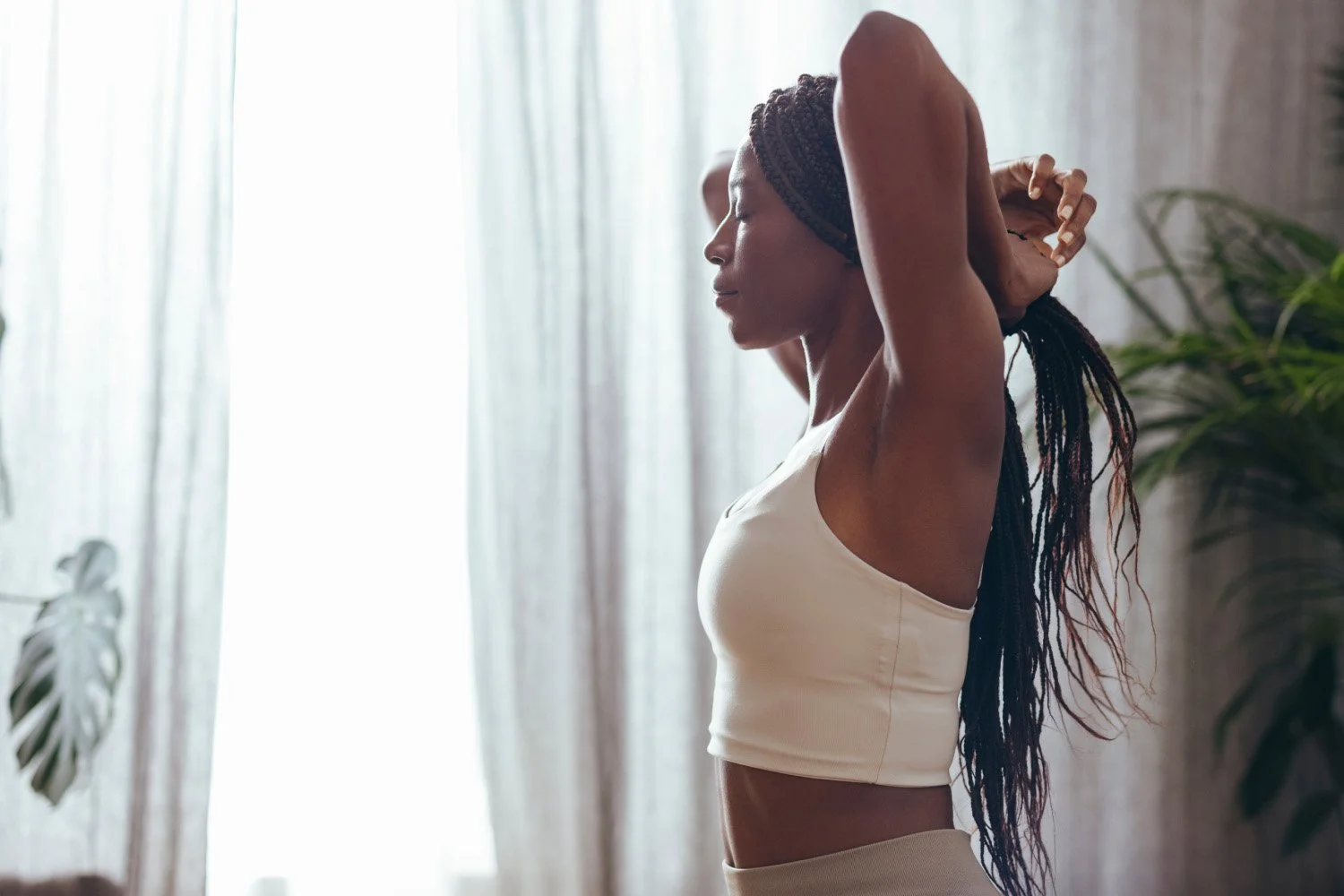
Yoga is a series of movements and breathing exercises designed to strengthen the body and calm the mind. The word “yoga” comes from Sanskrit and means “to join,” or “to unite,” symbolizing the union of body and consciousness. Today, it's recognized not just as a form of exercise but also as a lifestyle that encompasses a philosophy of prioritizing balance.
Key characteristics of yoga
Physical postures (Asanas): Yoga uses physical poses designed to improve strength, flexibility, and balance. They’re thought to help open up the energy channels of the body to support physical health and mental relaxation.
Breathing techniques (Pranayama): Pranayama, or breath control, is used to regulate the flow of energy (prana) throughout the body. This practice is about learning to control the breath to influence the body's energy flow and mental state.
Meditation and mindfulness: Meditation, or dhyana, is a key part of yoga and encourages mindfulness and concentration. It helps to achieve a state of mental calm and clarity, leading to heightened awareness and inner peace.
Philosophy and ethics: Yoga is built on a foundation of ethical philosophies. These include principles like non-violence (ahimsa), truthfulness (satya), and self-discipline (tapas), which guide practitioners toward a lifestyle of harmony, respect, and compassion.

6 benefits of yoga: how they impact health and wellbeing
Yoga can improve your physical and mental health and overall sense of wellbeing. Whether through reducing stress, improving physical health, or enhancing emotional wellbeing, yoga can help improve your quality of life. The practice can also:
1. Reduce anxiety and enhance relaxation by lowering stress hormones like cortisol.
2. Promote emotional health and for some, reduce symptoms of depression and anxiety.
3. Improve sleep quality by relaxing the mind and body.
4. Enhance physical health and fitness by improving flexibility, increasing muscle strength, boosting endurance, and enhancing respiratory and cardiovascular health. Yoga can also reduce symptoms of chronic conditions like arthritis, and certain yoga poses can even help with digestion.
5. Help lower your blood pressure and heart rate. It can also lower risk factors for heart diseases like high blood pressure and stress.
6. Contribute to improved cognitive functioning, with meditation helping to enhance concentration and memory.

10 styles of yoga
Yoga comes in many styles, each with a unique focus. The type you choose can depend on various factors like physical fitness, personal preferences, and your specific health goals. Whether you're seeking a physically challenging practice or a meditative and relaxing experience, there's a style of yoga that fits your needs.
1. Vinyasa yoga
Known for its fluid and dynamic movements, with each pose smoothly transitioning to the next, vinyasa yoga is like a dance. Synchronizing breath with movement, it can help enhance body awareness, reduce stress, and improve focus and concentration.
How to practice: Focus on the flow of movement and breath to find rhythm in the movements.
2. Iyengar yoga
Precision and alignment are the hallmarks of iyengar yoga, which often incorporates props like blocks, straps, and bolsters to help maintain proper alignment. It can help with developing patience and mindfulness, and enhance mental clarity.
How to practice: Pay close attention to the alignment in each pose. Use props to aid in achieving the correct posture.
3. Hatha yoga
Hatha yoga is a gentle form of yoga that can be a good place for beginners to start. It combines static poses with breathing to help promote relaxation and stress relief.
How to practice: Focus on mastering the basics of each pose and breathing technique.
4. Kundalini yoga
Kundalini yoga is more spiritual, aiming to unlock the energy at the base of the spine. It involves chanting, meditation, and specific poses to help enhance self-awareness and inner peace.
How to practice: Engage in the chanting and breathing exercises with an open mind and heart.

5. Bikram yoga
Performed in a hot room with a series of 26 poses, bikram yoga focuses on detoxification. It is challenging, so it can help build determination and mental resilience.
How to practice: Hydrate well and be prepared for intense heat. Focus on each pose and your endurance.
6. Ashtanga yoga
Ashtanga yoga is a rigorous style of yoga following a specific sequence of poses. It can help improve focus and discipline and reduce stress.
How to practice: Learn the sequence and focus on smooth transitions and breath control.
7. Restorative yoga
Restorative yoga is a relaxing style of yoga in which poses are held for longer periods, often involving props for support. It can help reduce anxiety and promote deep relaxation.
How to practice: Use props to comfortably hold poses. Focus on relaxation and letting go.
8. Yin yoga
Yin yoga targets deep connective tissues, as it requires you to hold poses for extended periods of time. It can help cultivate patience and improve flexibility.
How to practice: Stay in each pose for several minutes, focusing on deep breathing and relaxation.
9. Anusara yoga
This modern, spiritually oriented system has an emphasis on alignment. Anusara yoga can help boost self-esteem and inner positivity.
How to practice: Engage in poses with a focus on opening the heart and aligning the body.
10. Prenatal yoga
Prenatal yoga is tailored for pregnant women, focusing on poses that increase flexibility and strength. It can help reduce pregnancy-related stress and anxiety, and prepare the body for childbirth.
How to practice: Concentrate on gentle poses and breathing exercises that are safe for pregnancy. Modify poses as needed for comfort and support.

Yoga practices: tips for choosing the right style
Each style of yoga offers a unique path toward balance, health, and inner peace. Exploring the different practices can help you find the type of yoga that works for you. Before committing to a specific practice, you may also want to:
1. Identify your goals
Decide whether you’re looking for stress relief, physical fitness, spiritual growth, or a combination.
💙 Let Jay Shetty teach you how to set goals that feel authentic to you during The ‘Why’ Behind Your Goals.
2. Consider physical limitations
If you have any injuries or health concerns, some styles might be more suitable than others. For instance, iyengar yoga, with its focus on alignment and use of props, can be great for those with physical limitations.
💙 Bring ease and perspective to pain and discomfort with the 7 Days of Soothing Pain meditation series.
3. Experiment with different styles
Try out a few different classes to get a feel for what you enjoy, and what benefits you the most.
💙 In this meditation, Jay Shetty discusses why it’s okay to Be Inconsistent sometimes.
4. Listen to your body
Pay attention to how your body and mind shift during and after practice. The right style of yoga should leave you feeling refreshed, not drained or uncomfortable.
💙 Learn how to take space from reactive thoughts and Refresh the Mind in just one minute.

Types of yoga FAQs
What are the four main types of yoga?
The four main types of yoga are karma yoga, bhakti yoga, jnana yoga, and raja yoga. These core practices highlight yoga’s deep spiritual and philosophical roots, evolving it from being simply a form of exercise to a way of life.
Karma yoga (yoga of action): Practitioners of karma yoga seek to achieve spiritual liberation through serving others.
Bhakti yoga (yoga of devotion): Bhakti yoga is centered around devotion and love for a personal god or the divine. It involves practices like chanting, singing, and praying.
Jnana yoga (yoga of knowledge): Jnana yoga is often considered the most difficult path to take in yoga, as it involves seeking spiritual enlightenment through meditation, self-study, and contemplation.
Raja yoga (yoga of meditation): Raja yoga focuses on controlling the mind through meditation. It includes practices such as concentration, meditation, and mastery of thoughts.
What are the nine different kinds of yoga?
Unlike the types of yoga, which focus more on philosophical roots, the nine different kinds of yoga revolve around the poses and exercises in each. They include hatha, vinyasa, iyengar, ashtanga, bikram, kundalini, yin, restorative, and anusara yoga.
Each kind of yoga has unique benefits, from improving flexibility and strength to supporting mindfulness and relaxation. Exploring the different kinds of yoga can help you find a practice that aligns with your own preferences, lifestyle, and personal goals. Here’s a breakdown:
Hatha yoga: a gentle introduction to the most basic yoga postures
Vinyasa yoga: a series of poses that flow smoothly into one another
Iyengar yoga: a form of yoga known for its use of props, such as belts and blocks
Ashtanga yoga: a rigorous (often demanding) style of yoga that follows a specific sequence of postures
Bikram yoga: a kind of yoga that’s performed in a hot room to help detoxify the body through sweating
Kundalini yoga: a style of yoga that combines postures, breathing exercises, and mantras to awaken one’s kundalini energy
Yin yoga: a slow-paced style of yoga with postures held for longer periods of time
Restorative yoga: a relaxing method of yoga involving props to help you hold poses longer and promote stretching
Anusara yoga: a modern version of hatha yoga with a cheerful, heart-centered approach
What is the hardest type of yoga?
The most challenging yoga style will depend on your own personal fitness and preferences, but in the yoga world, ashtanga yoga is widely considered the hardest due to its rigorous sequences and discipline.
Bikram yoga can also be difficult since it’s performed in extreme heat, while kundalini yoga is demanding due to its spiritual intensity and focus on energy awakening. Each of these practices requires determination, making them some of the hardest yoga types to maintain consistently.
How many types of yoga are there in total?
Yoga includes hundreds of traditions and schools worldwide, but in modern practice, there are about nine main styles commonly taught in the West. These include popular options like hatha, vinyasa, and yin yoga, as well as specialized practices like prenatal, acro yoga, and power yoga.
Since there are so many types of yoga to explore, you can easily choose the ones that best match your health, fitness, or spiritual goals.
Which type of yoga is best for beginners?
Hatha yoga is often recommended for beginners because it focuses on basic poses, slower movements, and simple breathing techniques. It provides a gentle introduction to yoga while still offering its benefits, like improved flexibility, reduced stress, and better balance.
Starting with hatha yoga allows beginners to learn foundational postures and breathing before exploring more advanced or physically demanding yoga styles.
Calm your mind. Change your life.
Mental health is hard. Getting support doesn't have to be. The Calm app puts the tools to feel better in your back pocket, with personalized content to manage stress and anxiety, get better sleep, and feel more present in your life.

Images: Getty