7 powerful benefits of bedtime stories for kids

Clinically reviewed by Dr. Chris Mosunic, PhD, RD, MBA
Looking for easier bedtimes? Explore 7 proven benefits of bedtime stories for kids, plus how to build a better evening routine and an exclusive story to try tonight.
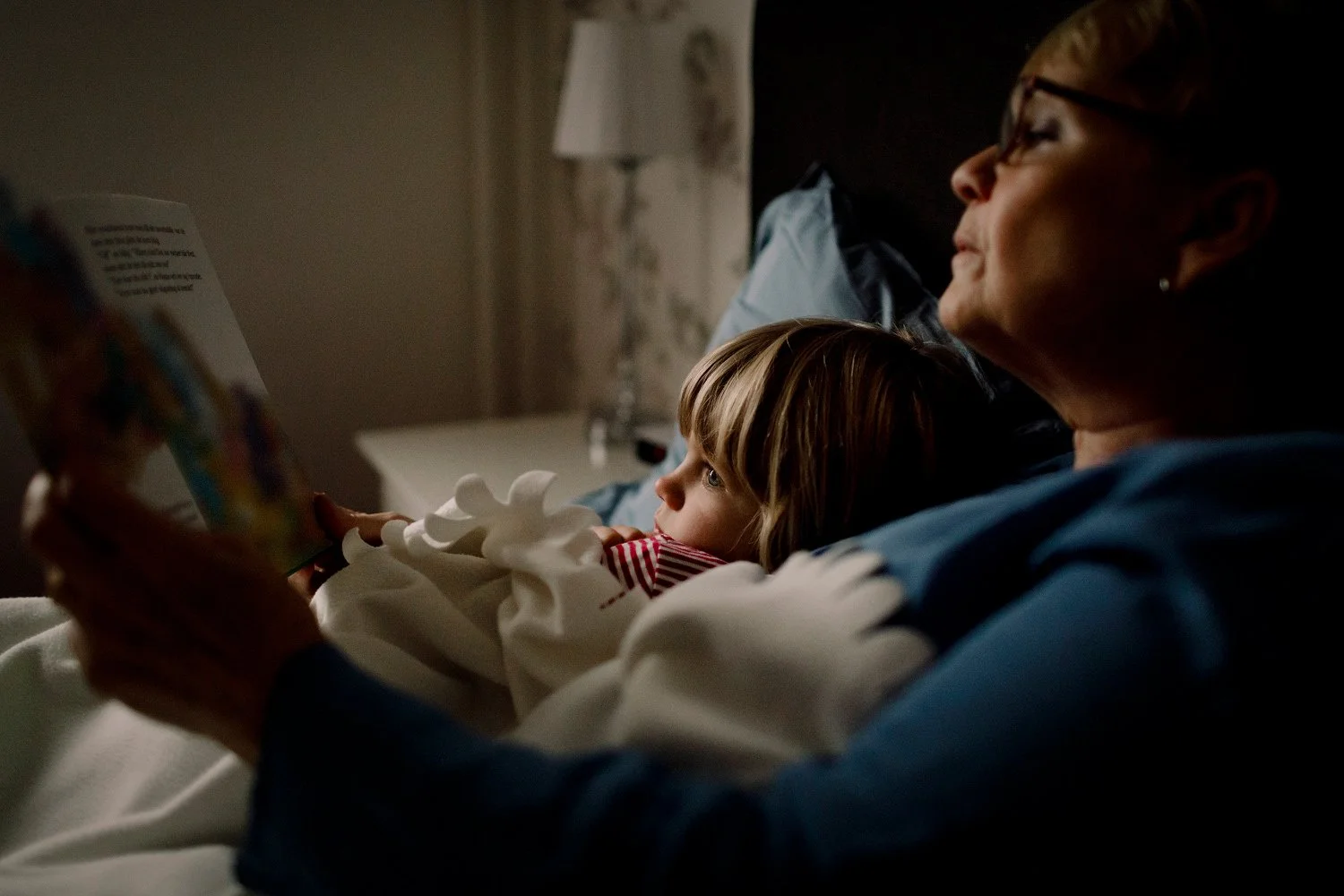
Pajamas are on, teeth are brushed, and your kid is tucked in for story time. It’s a routine your family knows well — one that happens most nights without much thought.
Bedtime stories have been a childhood staple for generations, but there's more to it than tradition alone. Research shows that this nightly ritual supports sleep, bonding, language development, and emotional well-being.
So, why are bedtime stories so beneficial? Here’s what the research says, and a few ways to get the most out of your routine.

What are the benefits of bedtime stories for kids?
Turns out bedtime stories do a lot more than just fill the gap between bath time and lights-out. Here's what’s happening while you read, according to the science.
1. Bedtime stories help kids sleep better
A bedtime routine signals to a child's brain that sleep is on the way. Calm, slow-paced stories help kids relax after a busy day.
A 2018 review found that kids with a regular night routine fell asleep faster, slept longer, and woke up less at night. Further research suggests it’s the frequency of the routine, not its length, that drives these improvements.
2. Bedtime stories build language and literacy skills
Kids may absorb more from a bedtime story than you'd expect — not just words, but sharper memory and stronger reasoning too.
One randomized controlled trial uncovered that kids in a read-aloud program scored higher on vocabulary, working memory, and IQ than kids who weren’t. And long-term research tracking thousands of people found that those gains stuck well into adulthood.
3. Bedtime stories build a stronger bond between you and your child
Reading together gives you and your child quality time, which can be hard to carve out during a busy day. Research shows that shared reading strengthens your bond, and a systematic review discovered it's one of the simplest ways families grow closer, even on harder days.
4. Bedtime stories support emotional regulation
Stories let kids sit with big feelings—fear, frustration, sadness—through a character. That kind of practice, done consistently, seems to strengthen their emotional regulation over time.
A study from Penn State found that kids with a consistent bedtime routine handled stress better, regardless of how much sleep they'd gotten. Research has also linked that consistency to fewer emotional and behavioral problems as children get older.
5. Bedtime stories develop empathy and social understanding
When kids follow a character's feelings, they're practicing empathy — and that tends to show up in how they treat others. A study in Frontiers in Psychology demonstrated that reading socially-themed picture books with a parent led to kinder, more helpful behavior in preschoolers.
6. Bedtime stories help with anxiety and nighttime fears
Nighttime can stir up a lot for kids, like worries that feel bigger in the dark. A story can pull attention away from these worries. The structure of a narrative—a clear beginning, middle, and end—gives a restless mind something predictable to follow.
One randomized controlled trial found that storytelling helped ease anxiety in children more effectively than play therapy or no intervention at all.
7. Bedtime stories build a lifelong relationship with reading
When kids are read to regularly, they often grow into readers themselves later on. Research found that kids who were read to in kindergarten were more likely to read for pleasure years later — regardless of their reading level or family background.

How to improve your bedtime story routine: 5 tips to try
You don’t need the perfect night routine, or an extra hour in your evening. Here are a few pointers that could make your ritual even better (or at least more supportive), starting tonight.
1. Keep stories short on busy nights
There's no minimum. A few minutes of reading counts. On nights when you’re short on time and energy, a short picture book or a few pages of whatever you're currently reading together is enough to keep the ritual going. What matters most is consistency.
A short, calm story with a clear ending works better for sleep than something open-ended or action-heavy. If your child usually asks for “just one more,” try setting the expectation upfront — “We're reading one tonight."
2. Set the scene before story time
Dim the lights before you start reading. Lower light boosts melatonin, the hormone that signals sleep, which can help kids drift off more easily afterward.
A consistent reading spot helps too. The same chair, lamp, and pillow arrangement becomes a familiar cue for bedtime. That predictability is part of what makes the routine work.
Related read: What makes a good bedtime routine for kids? 10 do’s and don’ts
3. Let your child pick the story
Kids are often more engaged in stories they've picked themselves. Offering a choice also gives them a small sense of control, right when they’re being asked to stop playing, wind down, and go to bed — which can be a lot to ask all at once.
The limit is yours to set. If you're short on energy, steer the choices toward a quick read instead of the longest book on the shelf.
4. Cover bedtime with a narrated sleep story
On nights you're away, running behind, or just short on time, narrated sleep stories can carry the ritual for you.
These are also useful for older kids who may have outgrown being read to, but still benefit from a gentle wind-down. They’re a calmer alternative to screen time, without the light and stimulation that can delay sleep.
💙 Explore Calm’s Sleep Stories for Kids library to help your little ones settle in night after night.
5. Don’t worry about doing it perfectly
There’s no version of this ritual that’s supposed to look a certain way. What sticks with your child isn’t the duration or even the book itself — it’s that you sat down and read with them.
💙 If the pressure to get it “right” is getting to you, learn about The Mirage of Perfect Parenting with Dr. Shefali Tsabary on Calm.
Try this exclusive Calm Kids Sleep Story at bedtime
Calm’s Sleep Stories for Kids are narrated at a slow, steady pace — with the same attention to tone and warmth that Calm's adult sleep content is known for, just tailored to smaller ears and shorter attention spans.
Tonight, try our “Capn' Dreambeard” Sleep Story below. Dim the lights, snuggle in, and press play.

Bedtime stories for kids FAQs
Why are bedtime stories good for kids?
Bedtime stories support better sleep, language development, emotional regulation, and a stronger bond between you and your child.
Research shows that a consistent reading routine can help your child fall asleep faster, build vocabulary, and practice their empathy.
How long should bedtime stories be?
There's no set length for a bedtime story. Consistency matters more than duration — even five minutes each night makes a difference.
Shorter books often work best for toddlers, while older kids can usually handle longer chapters.
What age should you start bedtime stories for kids?
You can start reading to kids from birth. The American Academy of Pediatrics recommends reading aloud to babies as early as possible.
Newborns won't follow the plot, but they respond to your voice, the rhythm of language, and the closeness. Those early moments lay the groundwork for language development later on.
Do bedtime stories help with anxiety?
Yes, bedtime stories can help ease anxiety. Worries can feel bigger at night, and following a character's feelings can shift kids’ focus away from what’s bothering them.
The shape of a story helps too — a clear beginning, middle, and end gives a restless mind something predictable to hold onto while drifting off.
Read more: Sleep anxiety in children: 10 ways to help kids sleep better
What if my child won’t sit still for a story?
If your child won’t sit still, that doesn’t mean story time isn’t working. Try letting them hold a quiet toy, lie down, or fidget while you read.
For active kids, shorter books or those that end on a cliffhanger can help keep their attention.
On nights when sitting together just isn't happening, a Sleep Story for Kids on Calm playing in the background gives them something to follow while they settle.
Are bedtime audiobooks as good as reading aloud?
Reading aloud at bedtime is often best — the closeness and back-and-forth interaction support bonding and language development in ways a recording can't fully replicate.
That said, audiobooks and sleep stories have their place. They're a solid backup for nights you can't be there, and a good wind-down option for older kids who've outgrown being read to.
What kind of bedtime stories are best for sleep?
Slow-paced stories with a gentle ending tend to work best for sleep. Action-packed or unresolved plots can actually make it harder for kids to relax.
Stories set in nature, with soothing characters, can help kids wind down. Calm’s Sleep Stories for Kids are made with exactly that in mind.
Calm your mind. Change your life.
Mental health is hard. Getting support doesn't have to be. The Calm app puts the tools to feel better in your back pocket, with personalized content to manage stress and anxiety, get better sleep, and feel more present in your life.

Images: Getty